Understanding the psychological traps in gambling behaviour
The Illusion of Control
One of the most significant psychological traps in gambling is the illusion of control. This phenomenon leads players to believe that they can influence the outcome of games that are fundamentally random, such as slot machines or roulette. As they engage with various options, including Ice Fishing, gamblers might feel they have a strategy or system that gives them an edge, even when the odds are stacked against them. This false sense of control can lead to increased betting and prolonged play, as players are convinced they can turn their luck around.
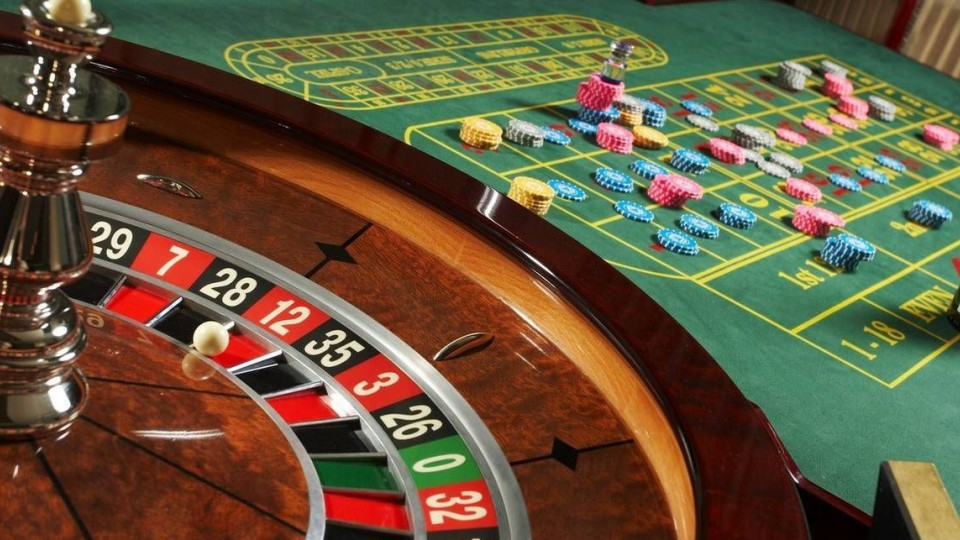
This belief often stems from personal anecdotes or cognitive biases, where past wins are remembered more vividly than losses. As a result, gamblers may develop an overconfidence in their ability to predict outcomes, perpetuating a cycle of gambling that can lead to financial loss and emotional distress.
The Gambler’s Fallacy
The gambler’s fallacy is another prevalent psychological trap that misleads players into thinking that previous outcomes affect future results. For instance, if a player sees a slot machine has not paid out for a while, they may assume it is «due» for a win. This misconception leads to a misunderstanding of probability and randomness, resulting in continued play in hopes of an inevitable win that is not guaranteed.
This fallacy can be particularly dangerous, as it encourages individuals to chase losses with the expectation that a win is just around the corner. Such behavior can escalate gambling habits and contribute to severe financial repercussions, as players increase their stakes in the hope of recouping losses.
Reward Systems and Dopamine Release
The thrill of gambling is often associated with the brain’s reward systems. When players win, their brains release dopamine, a neurotransmitter linked to pleasure and satisfaction. This chemical response reinforces the gambling behavior, making players more likely to return for more. Over time, the desire for that dopamine rush can lead to compulsive gambling habits.
Moreover, the intermittent rewards in gambling, similar to slot machines, create a powerful psychological hook. Players experience bursts of excitement during wins, which can overshadow the negative feelings associated with losses. This cycle creates a compelling dynamic that keeps players engaged, often beyond their financial means.
Social Influence and Peer Pressure
Social influences can significantly impact gambling behavior. Many individuals may begin gambling due to friends or family members engaging in similar activities. The normalization of gambling within social circles can minimize perceived risks and encourage participation. This social acceptance can lead to increased gambling frequency and intensity, as individuals want to fit in or impress their peers.
Furthermore, the availability of online gambling has made it easier to engage with peers in a gambling environment, increasing the likelihood of participation. The combination of social influence and the thrill of betting can create a dangerous environment where responsible gambling becomes less of a priority.

Exploring Responsible Gambling
Understanding the psychological traps in gambling behavior is crucial for promoting responsible gambling practices. Many organizations offer resources and support for individuals struggling with gambling addiction. These resources provide strategies to help individuals recognize their triggers, understand the odds, and set limits on their gambling activities.
Awareness of these psychological traps can empower players to make informed decisions, reducing the likelihood of falling into harmful gambling patterns. By recognizing the signs of problem gambling and seeking help, individuals can enjoy gambling as a form of entertainment rather than a source of distress.